

When designing flawless coastal itineraries for Indian FITs, honeymooners, or MICE delegates, timing is the ultimate operational variable. Nha Trang stands out as one of the most consistently sunny beach cities in the country. However, to guarantee a seamless experience, a top-tier Vietnam destination management company must understand the nuanced microclimate of this region.
This comprehensive seasonal blueprint by Oriental Voyages equips any travel agent for Vietnam trip planning with the exact ground-level intelligence needed to book with absolute confidence.
1. The Optimal Travel Window: When to Send Clients to Nha Trang
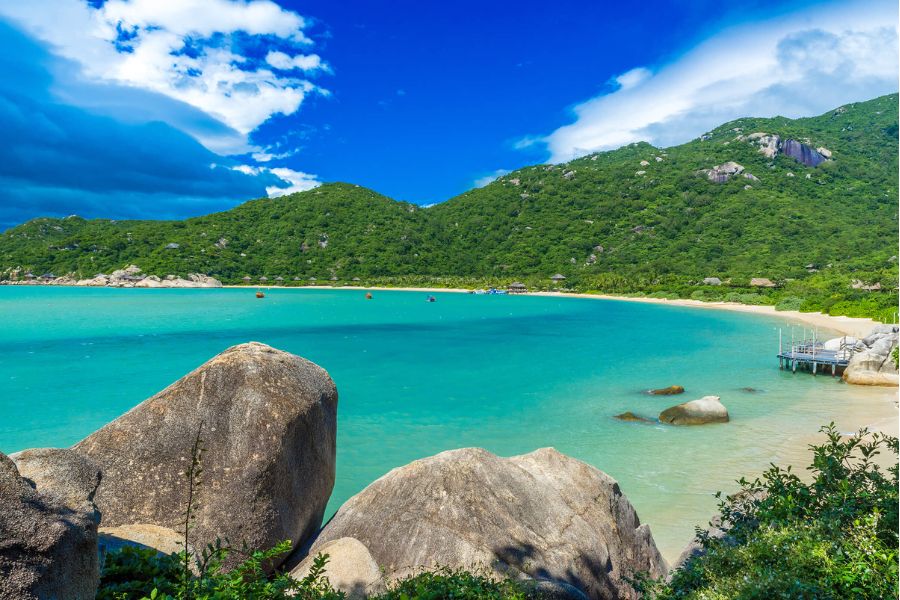
The definitive best time to experience Nha Trang is during its dry season, stretching from January through August. During these months, travelers enjoy minimal rainfall alongside radiant, warm weather.
For the best Vietnam tour operators, the “sweet spot” within this window is February to May. During this specific timeframe:
- Average temperatures hover at a comfortable 26–29°C.
- Sea conditions remain perfectly calm, ensuring safe and uninterrupted snorkeling and island excursions.
- The city avoids the overwhelming surge of domestic summer tourists, allowing for smoother logistics.
From a B2B scheduling perspective, January to April aligns flawlessly with Indian festive periods and school holidays, while June to August accommodates family summer vacations. Conversely, we advise our partners to avoid routing groups here from October to mid-December; this is the peak rainy season where maritime authorities frequently suspend island boat services.
2. Unlocking Nha Trang’s Microclimate Advantage
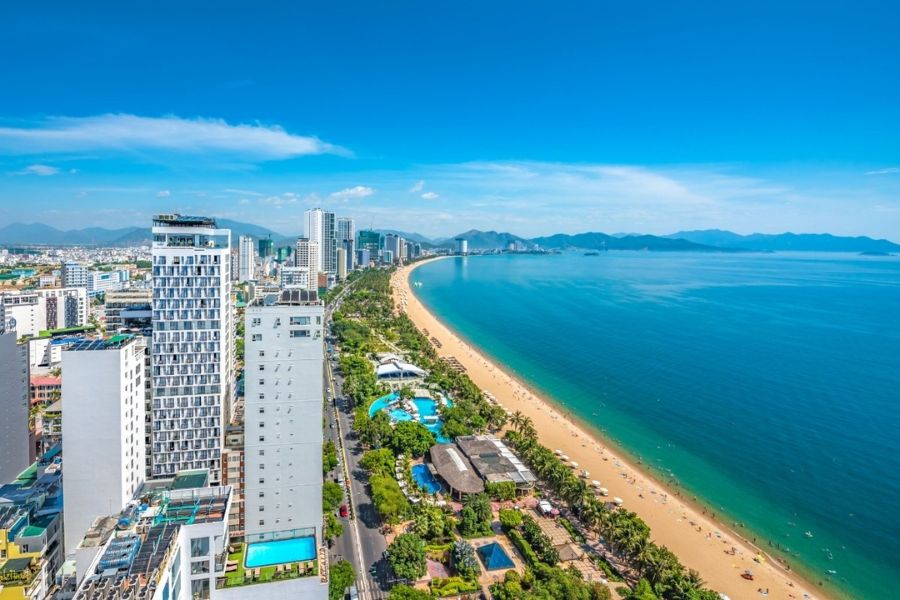
Located in Khanh Hoa Province across south-central Vietnam, Nha Trang possesses a distinct geographic advantage. The Truong Son mountain range acts as a natural shield, blocking the brunt of the northeast monsoon winds. Because of this, the city boasts an impressive 2,600 to 2,800 sunshine hours annually—the highest of any coastal destination in the nation.
As a dedicated vietnam b2b dmc, we categorise the year into two distinct operational seasons:
| Season | Operational Months | Avg. Temperature | Rainfall Profile | Sea Conditions |
| Dry Season | January – August | 24–33°C | Low to moderate | Calm, clear |
| Rainy Season | September – December | 22–28°C | High (Peak: Oct-Nov) | Rough, choppy |
3. Monthly Operational Matrix for B2B Partners
To help Vietnam travel agencies and international wholesalers plan effectively, we have mapped out the operational variables by month. Partnering with the best travel agency in vietnam means having access to this level of proactive data.
| Month | Temperature | Rainfall | Sea Visibility | Hotel Rates | Notes / Market Fit |
| January | 20-27°C | Very low rain | Excellent sea visibility | Moderate hotel rates | Good for New Year departures. |
| February | 22-28°C | Lowest rain (5.6mm) | Excellent visibility | Moderate rates | Excellent for post-wedding season. |
| March | 23-29°C | Low rain | Excellent visibility | Moderate rates | Excellent market fit. |
| April | 25-30°C | Low rain | Very good visibility | Moderate-High rates | Excellent for Baisakhi/school holidays. |
| May | 27-31°C | Low-Moderate rain | Good visibility | Moderate rates | Good as summer begins. |
| June | 28-32°C | Moderate rain | Good visibility | High rates | Good for summer FIT/families. |
| July | 29-33°C | Moderate rain | Good visibility | Peak rates | Good for peak summer families. |
| August | 29-33°C | Moderate rain | Moderate visibility | Peak rates | Good for school holiday families. |
| September | 27-30°C | Increasing rain | Variable visibility | Lower rates | Moderate fit (Avoid Navratri/Dussehra). |
| October | 24-28°C | Very high rain | Poor visibility | Low rates | Avoid (Island tours often suspended). |
| November | 22-27°C | Very high rain | Poor visibility | Lowest rates | Avoid (Island tours often suspended). |
| December | 20-27°C | Decreasing rain | Improving visibility | Low-Moderate rates | Avoid (Tours partially available). |
Operational Note from your vietnam dmc: Between September and November, island boat availability is strictly dictated by the Khanh Hoa Provincial Maritime Authority advisories. We highly recommend that Vietnam local tour operators insert flexibility clauses into any maritime itineraries booked during this quarter.
4. Aligning Nha Trang with Indian Outbound Travel Patterns
Unlike other Southeast Asian beach hubs that suffer monsoons during the Indian summer, Nha Trang’s dry season beautifully mirrors India’s peak outbound travel spikes. As your preferred dmc for vietnam, here is how to capitalize on this alignment:
Q1 (January – March): Post-Wedding & Winter Escapes This is the prime window for Indian honeymooners and luxury FITs seeking winter sun. Temperatures are perfectly suited for those used to mild winters, and the sea is tranquil for snorkeling at Hon Mun Island. Five-star properties on Tran Phu Beach maintain comfortable occupancy levels. We recommend combining Nha Trang with Da Lat or Hoi An for a flawless romantic package.
Q2 (April – May): Baisakhi, MICE & School Holidays As Indian schools close in April, family travel surges. Weather predictability in April and May makes it the ultimate season for large MICE incentive groups requiring outdoor gala dinners. Furthermore, underwater visibility peaks (8 to 15 meters) for diving, and domestic Vietnamese crowds are largely absent, ensuring rapid boat boarding and exclusive beach experiences.
Q3 (June – August): The Summer Family Peak Summer departures from India remain strong across these months. While the climate is warmer (29–33°C) and features occasional, brief afternoon showers, all maritime activities operate fully. However, vietnam specialist travel agents must note that July and August are peak domestic travel months. To secure inventory at Hon Tre Island or Tran Phu Beach, we strongly advise a 60–90 day advance booking window for groups exceeding 20 pax.
Q4 (September – December): Proceed with Caution October and November represent the absolute peak of the rainy season. While discount-seekers can find hotel rates slashed by 30–50%, and sites like Po Nagar Cham Towers, the National Oceanographic Museum, and Long Son Pagoda remain open, sea activities are frequently canceled. If you must route clients here, vietnam tour companies should strictly program indoor backup options.
5. Strategic Activity Matrix for Indian Guests
To ensure you are working like the best tour companies for vietnam, use this matrix to match client profiles with the right season:
- Island Hopping (Hon Mun, Hon Tre, Hon Tam): Best from Feb – Aug (Calm seas; fully operational).
- Snorkelling & Scuba Diving: Best from Apr – Aug (Peak visibility at Hon Mun; water temp 26–29°C).
- Luxury Resort Stay (Six Senses, Fusion Suites): Best from Feb – May (Best value-to-condition ratio).
- MICE Outdoor Programme: Best from Mar – May (Most reliable weather window for outdoor events).
- Beach & Water Sports: Best from Jan – Aug (Peak comfort: Feb-June).
- Mud Bath & Spa (100 Egg, Tháp Bà): Operational Year-round.
- Po Nagar Cham Tower Visit: Year-round (Thap Ba Ponagar Festival occurs mid-April on the Vietnamese calendar).
- Cultural & Historical Sightseeing: Year-round (Includes Alexandre Yersin Museum, National Oceanographic Museum).
6. MICE Logistics & Indian Catering Capabilities
Managing large Indian groups requires robust infrastructure. As a top dmc in vietnam, we navigate these logistical parameters daily.
- Venue Capacity: Properties like the Sheraton Nha Trang Hotel & Spa, InterContinental Nha Trang, and Amiana Resort effortlessly host 50 to 500 delegates. The March–May window is our top recommendation for beachfront gala setups, as the lack of harsh winds allows for secure, open-sided tent structures.
- Authentic Indian F&B: Driven by the surge in arrivals since 2022, Nha Trang’s catering landscape is highly adaptable. Through your travel agency vietnam, 4-star and 5-star hotels can now provide dedicated vegetarian and Jain menus (featuring dal, roti, sabzi, and rice) when coordinated 30+ days in advance.
- Aviation Logistics: Groups generally fly internationally into Ho Chi Minh City (SGN) or Hanoi (HAN), transferring to Cam Ranh International Airport (CXR), which sits 30 kilometers south of Nha Trang. High frequency domestic flights via Vietjet, Bamboo Airways, or Vietnam Airlines allow seamless same-day connections from major hubs like Delhi, Mumbai, Bangalore, Chennai, Kolkata, and Ahmedabad.
7. Expert B2B FAQs
Q: What is the premier timeframe for beach itineraries in Nha Trang? A: February through May is unparalleled. Sea conditions are tranquil, snorkeling visibility hits 8–15 meters at Hon Mun, and temperatures sit at a pleasant 26–30°C.
Q: Is Nha Trang subject to heavy monsoons? A: Thanks to its protective mountain microclimate, the city has a remarkably brief wet season (September to December). October and November experience the heaviest downpours, but the other eight months remain largely dry and sunny.
Q: Can Indian tourists enjoy Nha Trang during the peak summer (June–August)? A: Absolutely. While temperatures can hit 29–33°C, this is very comparable to the Indian summer. Sea excursions are fully operational, but because it is peak season for domestic travelers, securing hotel allotments via your asia dmc vietnam well in advance is critical.
Q: When should a Vietnam travel agency avoid this destination? A: October and November carry high typhoon risks and heavy rain. Island tours face constant suspensions, so unless the itinerary is heavily focused on indoor cultural activities, we advise against this window.
Q: What can clients expect in December? A: December is the tail-end of the rainy season, with rainfall dropping as the month progresses and temperatures resting between 20–27°C. It appeals to budget travelers around the holidays, though early December seas remain choppy.
Q: Is it a reliable destination for Indian honeymoons? A: February to April is the ultimate honeymoon window. Low resort occupancies combined with mild temperatures make luxury properties like Fusion Suites Nha Trang Beach and Six Senses Ninh Van Bay perfect for romantic escapes.
Q: How does Nha Trang contrast with Goa’s seasonality? A: They are perfect opposites. When Goa shuts down for the monsoon season (June to September), Nha Trang is in its prime dry season. For Vietnam tour operators, this makes Nha Trang the ultimate alternative to keep Indian clients traveling luxuriously during the summer.